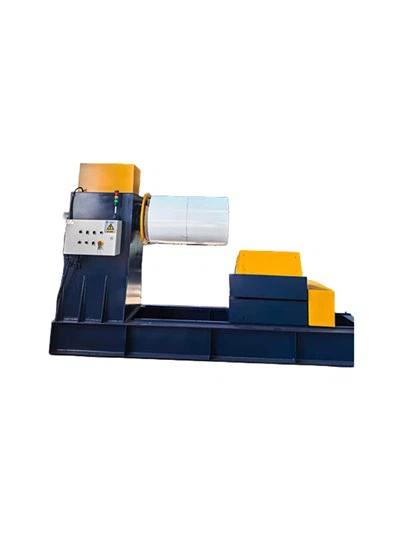

As a supplier of Smooth Rolling Machines, I often get asked whether our machines can be used for rolling non-metallic materials. This is a valid question, as the traditional perception is that rolling machines are primarily for metals. However, the capabilities of modern smooth rolling machines have evolved, and they can indeed be used for a variety of non-metallic materials.
Understanding Smooth Rolling Machines
Before delving into the use of smooth rolling machines for non-metallic materials, it's essential to understand what a smooth rolling machine is. A Smooth Rolling Machine is a piece of equipment designed to shape materials by passing them through a set of rollers. These rollers apply pressure to the material, causing it to deform and take on the desired shape. The smooth surface of the rollers ensures that the material is rolled evenly, resulting in a smooth finish.
Non-Metallic Materials Suitable for Rolling
There are several non-metallic materials that can be effectively rolled using a smooth rolling machine.
Plastics
Plastics are one of the most common non-metallic materials that can be rolled. Thermoplastics, such as polyethylene, polypropylene, and PVC, are particularly suitable. These plastics can be heated to a specific temperature to make them more malleable, allowing them to be easily rolled into various shapes. For example, in the production of plastic sheets, a smooth rolling machine can be used to create thin, uniform sheets with a smooth surface finish.
Rubber
Rubber is another non-metallic material that can be rolled. Natural rubber and synthetic rubbers, such as neoprene and silicone, can be processed using a smooth rolling machine. Rolling rubber can help to improve its physical properties, such as its strength and elasticity. In the manufacturing of rubber products, such as gaskets and seals, a smooth rolling machine can be used to shape the rubber into the desired form.
Fiberglass
Fiberglass is a composite material made of glass fibers embedded in a resin matrix. It is lightweight, strong, and resistant to corrosion. A smooth rolling machine can be used to roll fiberglass sheets or tapes, which are commonly used in the construction, automotive, and aerospace industries. Rolling fiberglass can help to align the fibers, resulting in a stronger and more uniform product.


Paper and Cardboard
Paper and cardboard can also be rolled using a smooth rolling machine. This is often done in the packaging industry to create tubes, cylinders, and other shapes. Rolling paper and cardboard can improve their strength and stiffness, making them more suitable for packaging applications.
Advantages of Using a Smooth Rolling Machine for Non-Metallic Materials
There are several advantages to using a smooth rolling machine for non-metallic materials.
Precision and Consistency
A smooth rolling machine can provide high precision and consistency in the rolling process. The rollers are designed to apply a uniform pressure to the material, ensuring that the final product has a consistent thickness and shape. This is particularly important for applications where precise dimensions are required, such as in the production of plastic sheets or rubber gaskets.
Improved Surface Finish
The smooth surface of the rollers in a smooth rolling machine can result in a high-quality surface finish on the non-metallic material. This is especially beneficial for applications where a smooth and aesthetically pleasing surface is desired, such as in the production of plastic products or fiberglass components.
Increased Productivity
Using a smooth rolling machine can significantly increase productivity compared to manual or other shaping methods. The machine can operate continuously, allowing for a large volume of non-metallic materials to be rolled in a relatively short period of time. This can help to reduce production costs and improve overall efficiency.
Considerations When Rolling Non-Metallic Materials
While smooth rolling machines can be used for non-metallic materials, there are some considerations that need to be taken into account.
Material Properties
Different non-metallic materials have different properties, such as their melting point, hardness, and elasticity. It's important to understand these properties and adjust the rolling parameters accordingly. For example, plastics may require a specific temperature range to be rolled effectively, while rubber may need to be pre-stretched before rolling.
Roller Design
The design of the rollers in a smooth rolling machine can also affect the rolling process. The rollers should be made of a material that is compatible with the non-metallic material being rolled. For example, for rolling plastics, rollers made of a non-stick material may be required to prevent the plastic from sticking to the rollers.
Lubrication
Lubrication is often necessary when rolling non-metallic materials to reduce friction and prevent damage to the material. The type of lubricant used will depend on the material being rolled and the specific requirements of the rolling process.
Other Related Machines
In addition to the smooth rolling machine, there are other machines that can be used for shaping non-metallic materials. For example, a Corrugated Sheet Bending Machine can be used to bend corrugated sheets made of non-metallic materials, such as plastic or fiberglass. A Fritillary Board Bending Machine can be used to bend fritillary boards, which are often made of non-metallic materials.
Conclusion
In conclusion, a smooth rolling machine can indeed be used for rolling non-metallic materials. With the right machine, proper understanding of the material properties, and appropriate rolling parameters, non-metallic materials such as plastics, rubber, fiberglass, and paper can be effectively rolled to create a variety of products. The advantages of using a smooth rolling machine for non-metallic materials, such as precision, consistency, improved surface finish, and increased productivity, make it a valuable tool in many industries.
If you are interested in purchasing a smooth rolling machine for your non-metallic material rolling needs, please feel free to contact us for further discussion and to explore the best solutions for your specific requirements.
References
- "Plastics Processing Handbook" by O. Olabisi
- "Rubber Technology: Compounding, Processing, and Testing of Rubber" by K. K. Chandra
- "Fiberglass Reinforced Plastics Handbook" by J. A. Pipes