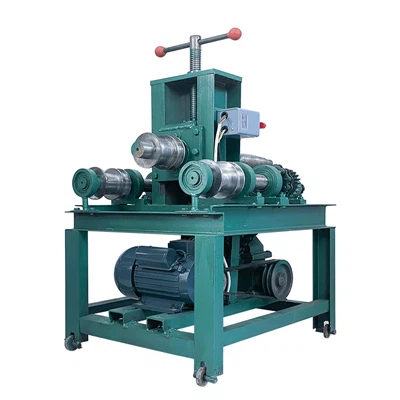

A toothed bending machine is a specialized piece of equipment widely used in various industries for bending different materials into specific shapes. As a supplier of toothed bending machines, I am well - versed in the main components that make up these machines, and I'll share this knowledge with you in this blog.
1. Frame and Base
The frame and base are the fundamental components of a toothed bending machine. The frame provides the structural support for all the other parts of the machine. It is usually made of high - strength steel or cast iron to ensure stability and durability. The base, on the other hand, serves as the foundation that keeps the machine firmly in place during operation. A solid base helps to prevent vibrations and movements that could affect the accuracy of the bending process.
The design of the frame and base is crucial. They need to be able to withstand the forces generated during the bending operation. For example, when bending thick or hard materials, the machine experiences significant stress. A well - designed frame and base can distribute these forces evenly, reducing the risk of structural damage.
2. Bending Dies
Bending dies are one of the most important components of a toothed bending machine. These dies are used to shape the material being bent. They come in various shapes and sizes, depending on the specific bending requirements. For instance, if you need to bend a pipe into a circular shape, you will use a die with a corresponding circular profile.
The quality of the bending dies is essential for achieving accurate and consistent bends. High - quality dies are made from hardened steel or other wear - resistant materials to ensure a long service life. They are also precisely machined to meet the required tolerances. When selecting bending dies, it is important to consider the material being bent, the bending radius, and the thickness of the material.
3. Drive System
The drive system is responsible for providing the power needed to operate the toothed bending machine. There are different types of drive systems, including hydraulic, electric, and mechanical drives.
Hydraulic drive systems are commonly used in toothed bending machines. They offer high power and precise control. Hydraulic cylinders are used to generate the force required for bending. The hydraulic system consists of a pump, valves, and cylinders. The pump supplies hydraulic fluid under pressure, and the valves control the flow of the fluid to the cylinders. This allows for smooth and accurate movement of the bending components.
Electric drive systems are also popular, especially for smaller toothed bending machines. They are more energy - efficient and easier to maintain compared to hydraulic systems. Electric motors are used to drive the bending mechanisms, and they can be controlled precisely using electronic controllers.
Mechanical drive systems, such as gearboxes and belts, are sometimes used in simpler toothed bending machines. They are relatively inexpensive but may not offer the same level of precision as hydraulic or electric systems.
4. Control System
The control system of a toothed bending machine is used to regulate the operation of the machine. It allows the operator to set the bending parameters, such as the bending angle, the bending speed, and the number of bends. Modern toothed bending machines are often equipped with advanced control systems, such as programmable logic controllers (PLCs).
PLCs offer a high degree of flexibility and precision. They can store multiple bending programs, allowing for quick and easy changeovers between different bending tasks. The control system also includes sensors that monitor the position and movement of the bending components. These sensors provide feedback to the controller, ensuring that the machine operates within the specified parameters.
5. Feeding System
The feeding system is responsible for delivering the material to be bent to the bending area. It ensures a smooth and continuous flow of material during the bending process. There are different types of feeding systems, including manual and automatic feeding systems.
Manual feeding systems require the operator to manually place the material into the machine. This is suitable for small - scale production or when dealing with irregularly shaped materials. Automatic feeding systems, on the other hand, use conveyors, rollers, or other mechanisms to feed the material automatically. They are more efficient and can handle large - volume production.
6. Safety Devices
Safety is a top priority in any industrial machine, and toothed bending machines are no exception. There are several safety devices installed on these machines to protect the operator and prevent accidents.
Emergency stop buttons are one of the most important safety devices. They are located in easily accessible positions on the machine, allowing the operator to quickly stop the machine in case of an emergency. Safety guards are also used to enclose the moving parts of the machine, preventing the operator from coming into contact with them.


In addition, there are sensors that detect any abnormal conditions, such as overloading or incorrect positioning of the material. These sensors can trigger an alarm or stop the machine automatically to prevent damage to the machine and injury to the operator.
Related Machines
If you are interested in other types of bending machines, we also offer Corrugated Tile Bending Machine and Fritillary Board Bending Machine. These machines have their own unique features and applications, and they can be a great addition to your production line.
Conclusion
In conclusion, a toothed bending machine consists of several key components, including the frame and base, bending dies, drive system, control system, feeding system, and safety devices. Each component plays a crucial role in the operation of the machine, and their proper functioning is essential for achieving accurate and efficient bending.
If you are in the market for a Toothed Bending Machine, we are here to help. Our machines are designed with high - quality components and advanced technology to meet your specific bending needs. Contact us to discuss your requirements and start a procurement negotiation. We look forward to working with you.
References
- "Industrial Machine Design Handbook", John Wiley & Sons
- "Bending Technology in Manufacturing", Elsevier