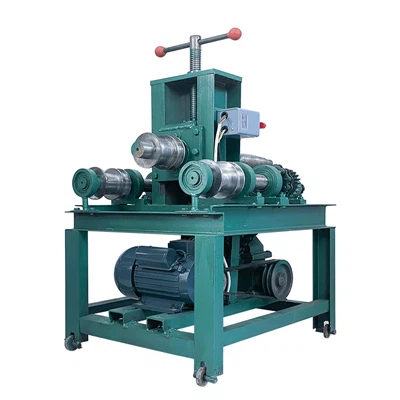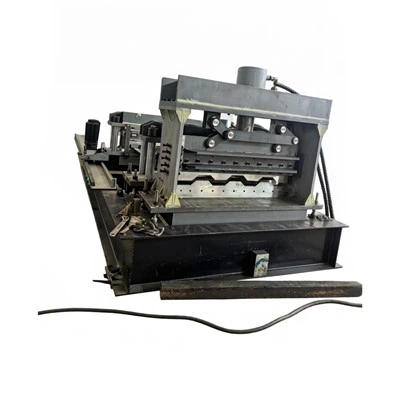

As a supplier of large metal shearing machines, I often encounter various inquiries from customers regarding the capabilities of our equipment. One question that frequently comes up is whether a large metal shearing machine can cut lead. In this blog post, I'll delve into this topic, exploring the properties of lead, the functionality of large metal shearing machines, and the feasibility of using these machines to cut lead.
Properties of Lead
Lead is a soft, malleable, and dense metal with a relatively low melting point of 327.46°C (621.43°F). It has a high atomic number (82) and is known for its excellent corrosion resistance and ability to absorb radiation. These properties make lead useful in a variety of applications, including batteries, radiation shielding, and ammunition.
Functionality of Large Metal Shearing Machines
Large metal shearing machines are designed to cut through various types of metals, including steel, aluminum, and copper. These machines use a blade or a set of blades to apply a shearing force to the metal, causing it to separate along a specific line. The cutting capacity of a large metal shearing machine depends on several factors, such as the size and power of the machine, the thickness and hardness of the metal, and the type of blade used.
Can a Large Metal Shearing Machine Cut Lead?
The answer to this question is yes, a large metal shearing machine can cut lead. However, there are several factors to consider before attempting to cut lead with a shearing machine.
Softness of Lead
Lead is a very soft metal, which means it can be easily deformed or damaged during the cutting process. When cutting lead with a shearing machine, it's important to use a sharp blade and apply the appropriate amount of pressure to avoid crushing or deforming the lead.
Toxicity of Lead
Lead is a toxic metal that can pose a health risk if inhaled or ingested. When cutting lead, it's important to take appropriate safety precautions, such as wearing a respirator and gloves, to avoid exposure to lead dust or fumes.
Cutting Capacity of the Machine
The cutting capacity of a large metal shearing machine is typically rated in terms of the thickness and width of the metal it can cut. Before attempting to cut lead with a shearing machine, it's important to ensure that the machine has the necessary cutting capacity to handle the thickness and width of the lead.
Types of Large Metal Shearing Machines
There are several types of large metal shearing machines available on the market, each with its own unique features and capabilities. Some of the most common types of large metal shearing machines include:
Leveling Shearing Machine
A Leveling Shearing Machine is designed to level and cut metal sheets. This type of machine is commonly used in the manufacturing industry to produce flat, smooth metal sheets of various sizes and thicknesses.
Leveling and Slitting Shearing Machine
A Leveling and Slitting Shearing Machine is similar to a leveling shearing machine, but it also has the ability to slit the metal sheets into narrow strips. This type of machine is commonly used in the metal processing industry to produce strips of metal for various applications.
Continuous Shearing Machine
A Continuous Shearing Machine is designed to cut metal continuously, without the need for manual intervention. This type of machine is commonly used in the mass production of metal products, such as automotive parts and appliances.


Considerations for Cutting Lead with a Large Metal Shearing Machine
If you're considering cutting lead with a large metal shearing machine, there are several factors to keep in mind:
Blade Selection
The type of blade used in the shearing machine is crucial for cutting lead effectively. A sharp, high-quality blade is essential to ensure a clean, precise cut. It's also important to choose a blade that is specifically designed for cutting soft metals like lead.
Machine Settings
The settings of the shearing machine, such as the cutting speed and pressure, need to be adjusted carefully to ensure a smooth and efficient cutting process. The cutting speed should be set to a level that allows the blade to cut through the lead without causing excessive deformation or damage.
Safety Precautions
As mentioned earlier, lead is a toxic metal that can pose a health risk if inhaled or ingested. When cutting lead, it's important to take appropriate safety precautions, such as wearing a respirator and gloves, to avoid exposure to lead dust or fumes. It's also important to ensure that the work area is well-ventilated to prevent the accumulation of lead dust.
Conclusion
In conclusion, a large metal shearing machine can cut lead, but it's important to take several factors into consideration before attempting to do so. The softness and toxicity of lead, as well as the cutting capacity of the machine, need to be carefully evaluated to ensure a safe and efficient cutting process. By choosing the right type of shearing machine, blade, and settings, and by taking appropriate safety precautions, you can successfully cut lead using a large metal shearing machine.
If you're interested in purchasing a large metal shearing machine for cutting lead or other metals, please feel free to contact us for more information. Our team of experts can help you select the right machine for your specific needs and provide you with the support and guidance you need to ensure a successful cutting operation.
References
- "Lead: Properties, Uses, and Health Effects." Environmental Protection Agency.
- "Metal Shearing Machines: Types and Applications." Machinery Lubrication.
- "Safety Precautions for Working with Lead." Occupational Safety and Health Administration.