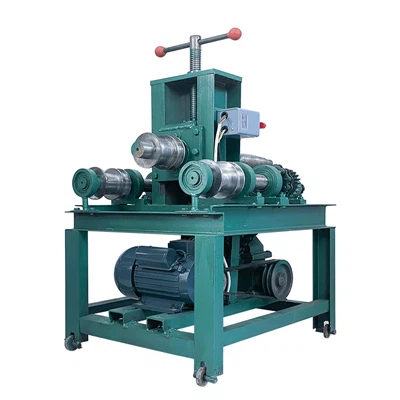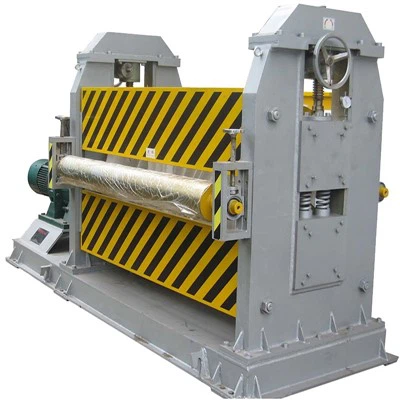

Ensuring the quality of bent products made by a toothed bending machine is crucial for both the reputation of the manufacturer and the satisfaction of the end - users. As a supplier of Toothed Bending Machine, I have gained a wealth of experience in this field. In this blog, I will share some key factors and strategies to guarantee the high - quality of bent products.
1. Machine Selection and Maintenance
The first step in ensuring the quality of bent products is to choose the right toothed bending machine. Different machines have different capabilities in terms of bending radius, material thickness, and bending angle. It is essential to select a machine that can meet the specific requirements of your production. For example, if you are working with thick - walled pipes, you need a machine with sufficient power and precision.
Regular maintenance of the toothed bending machine is also of utmost importance. A well - maintained machine can operate more stably and accurately. This includes checking and lubricating the moving parts regularly, such as the gears, bearings, and hydraulic systems. For instance, if the gears are not properly lubricated, they may wear out quickly, which can lead to inaccurate bending angles and rough surfaces on the bent products.


2. Material Preparation
The quality of the raw materials used has a direct impact on the quality of the bent products. Before bending, it is necessary to carefully inspect the materials for any defects, such as cracks, scratches, or uneven thickness. These defects can cause problems during the bending process, such as breakage or deformation.
In addition, the material should be properly cut to the appropriate length. If the length is not accurate, it can affect the bending process and the final shape of the product. For example, if the material is too long, it may cause excessive stress during bending, resulting in uneven bends.
3. Tooling and Die Design
The tooling and die used in the toothed bending machine play a significant role in determining the quality of the bent products. The design of the tooling and die should be based on the specific requirements of the bending process, such as the bending radius, angle, and material type.
A well - designed tooling and die can ensure that the material is bent smoothly and accurately. For example, the shape of the die should match the desired bending radius of the product. If the die is not properly designed, it may cause the material to wrinkle or crack during bending.
4. Bending Process Control
Controlling the bending process is crucial for ensuring the quality of the bent products. This includes setting the correct bending speed, pressure, and angle. The bending speed should be adjusted according to the material type and thickness. If the speed is too fast, it may cause the material to break or deform; if the speed is too slow, it may affect the production efficiency.
The pressure applied during bending should also be carefully controlled. Insufficient pressure may result in incomplete bending, while excessive pressure may cause the material to be over - bent or damaged. The bending angle should be set accurately to meet the design requirements of the product.
5. Quality Inspection
Quality inspection is an essential step in the production process. After bending, the products should be inspected for various quality parameters, such as the bending angle, radius, surface finish, and dimensional accuracy.
Visual inspection can be used to check for obvious defects, such as cracks, wrinkles, or uneven surfaces. Measuring tools, such as calipers and protractors, can be used to measure the dimensional accuracy of the products. Any products that do not meet the quality standards should be re - worked or discarded.
6. Training and Skill of Operators
The training and skill of the operators are also important factors in ensuring the quality of the bent products. Operators should be well - trained in the operation of the toothed bending machine, including how to set up the machine, control the bending process, and perform quality inspections.
Skilled operators can identify potential problems during the bending process and take appropriate measures to solve them. For example, they can adjust the machine settings in time to avoid defects in the products. Regular training and skill improvement programs should be provided to the operators to keep them updated with the latest technologies and best practices.
7. Comparison with Other Bending Machines
It is also beneficial to compare the toothed bending machine with other types of bending machines, such as Corrugated Tile Bending Machine and Corrugated Sheet Bending Machine. Each type of machine has its own advantages and disadvantages.
The toothed bending machine is suitable for bending pipes and profiles with relatively high precision and strength requirements. In contrast, the corrugated tile bending machine is mainly used for bending corrugated tiles, and the corrugated sheet bending machine is designed for bending corrugated sheets. By understanding the differences between these machines, customers can choose the most suitable machine for their specific needs.
8. Customer Feedback and Continuous Improvement
Customer feedback is a valuable source of information for improving the quality of the bent products. By listening to the customers' opinions and suggestions, we can identify areas for improvement in our products and services.
We should establish a feedback mechanism to collect customers' feedback regularly. Based on the feedback, we can make corresponding improvements to the machine design, bending process, and quality control system. Continuous improvement is the key to maintaining a high - quality product line and meeting the changing needs of the market.
In conclusion, ensuring the quality of the bent products made by a toothed bending machine requires a comprehensive approach that includes machine selection and maintenance, material preparation, tooling and die design, bending process control, quality inspection, operator training, comparison with other machines, and continuous improvement. As a supplier of toothed bending machines, we are committed to providing high - quality machines and services to our customers. If you are interested in our products or have any questions about the bending process, please feel free to contact us for a procurement discussion.
References
- Smith, J. (2018). Handbook of Metal Bending. Publisher X.
- Johnson, A. (2020). Advanced Bending Technologies. Publisher Y.