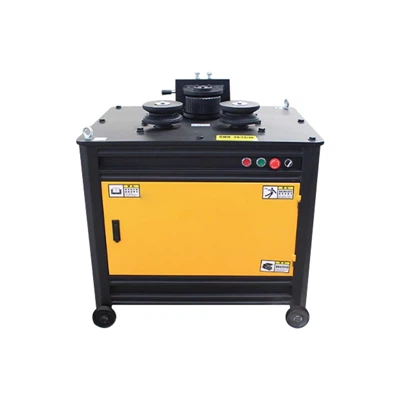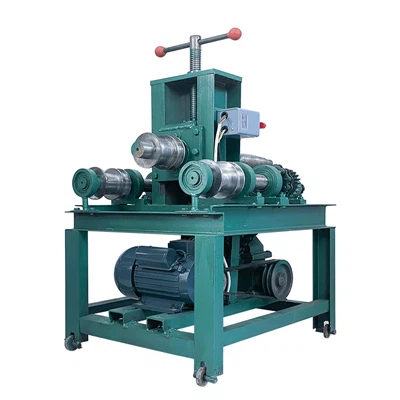

As a provider of continuous shearing machines, ensuring the heat dissipation effect of these machines is crucial for their performance and longevity. In this blog post, I will share some effective strategies and considerations to guarantee optimal heat dissipation in continuous shearing machines.
Understanding the Heat Generation Mechanism
Before delving into heat dissipation solutions, it's essential to understand how heat is generated in a continuous shearing machine. During the shearing process, the friction between the cutting blades and the material being sheared, as well as the mechanical work done by the motor and other moving parts, generates a significant amount of heat. If this heat is not properly dissipated, it can lead to overheating, which may cause damage to the machine components, reduce cutting accuracy, and even pose safety risks.
Design Considerations for Heat Dissipation
-
Proper Ventilation Design
- A well - designed ventilation system is the first line of defense against overheating. The continuous shearing machine should have sufficient air intake and exhaust ports. The air intake ports should be located in areas where fresh air can easily enter the machine, and the exhaust ports should be positioned to effectively expel the hot air.
- For example, placing the intake ports at the bottom of the machine can allow cool air to be drawn in, while positioning the exhaust ports at the top can facilitate the natural upward flow of hot air. Additionally, the use of fans can enhance the airflow, ensuring that the heat is continuously removed from the machine's interior.
-
Thermal Conductive Materials
- Selecting materials with high thermal conductivity for key components can significantly improve heat dissipation. For instance, using copper or aluminum for heat - sink components can quickly transfer the heat from the heat - generating parts to the surrounding environment. These materials have excellent thermal conductivity properties, allowing them to absorb and dissipate heat more efficiently than other materials.
- In the design of the shearing machine, heat - sink structures can be integrated into areas such as the motor housing and the cutting blade holders. These heat - sinks can be finned to increase the surface area, which further enhances the heat transfer rate.
-
Cooling Channels
- Incorporating cooling channels within the machine's structure can provide a more direct and efficient way to dissipate heat. These channels can be filled with a cooling fluid, such as water or a specialized coolant. The fluid circulates through the channels, absorbing heat from the surrounding components and carrying it away to a heat exchanger.
- The heat exchanger then dissipates the heat into the environment. This type of cooling system is particularly effective for high - power continuous shearing machines that generate a large amount of heat during operation.
Maintenance and Monitoring for Heat Dissipation
- Regular Cleaning
- Dust and debris can accumulate on the machine's ventilation ports, fans, and heat - sink components over time. This accumulation can block the airflow and reduce the heat dissipation efficiency. Therefore, regular cleaning of these parts is essential.
- Use compressed air to blow away the dust from the ventilation ports and fans. For heat - sink components, a soft brush can be used to gently remove any debris. This simple maintenance task can significantly improve the machine's heat dissipation performance.
- Lubrication
- Proper lubrication of the moving parts in the continuous shearing machine can reduce friction, which in turn reduces heat generation. Use high - quality lubricants that are suitable for the specific operating conditions of the machine.
- Regularly check the lubricant levels and replace the lubricant as recommended by the manufacturer. This not only helps in heat dissipation but also extends the lifespan of the machine's components.
- Temperature Monitoring
- Install temperature sensors at critical points in the machine, such as the motor, cutting blades, and hydraulic system. These sensors can provide real - time temperature data, allowing operators to monitor the heat generation and take appropriate action if the temperature exceeds the safe limit.
- Some advanced continuous shearing machines are equipped with intelligent control systems that can automatically adjust the machine's operation or trigger an alarm when the temperature is too high.
Comparison with Different Types of Shearing Machines
When considering heat dissipation, it's also important to note the differences between continuous shearing machines and other types of shearing machines. For example, Large Metal Shearing Machine may have different heat generation characteristics due to their larger size and higher power requirements. These machines may need more robust heat dissipation systems, such as larger cooling fans or more extensive cooling channels.
Shearing and Bending Machine combines two functions, which can lead to more complex heat generation patterns. The bending process may also generate additional heat, and the heat dissipation system needs to be designed to handle the combined heat load.
Durma Guillotine is another type of shearing machine. Its design and operation may be different from continuous shearing machines, and the heat dissipation strategies need to be tailored accordingly. For example, the guillotine - type cutting action may generate heat in a different way, and the ventilation and cooling design should be optimized for this specific cutting mechanism.
Conclusion
Ensuring the heat dissipation effect of a continuous shearing machine is a multi - faceted task that involves proper design, regular maintenance, and effective monitoring. By understanding the heat generation mechanism, implementing appropriate design features, and performing regular maintenance, we can significantly improve the heat dissipation performance of the machine.


If you are interested in our continuous shearing machines or have any questions about heat dissipation and other aspects of these machines, we welcome you to contact us for further discussion and procurement negotiation. We are committed to providing high - quality shearing machines with excellent heat dissipation capabilities to meet your industrial needs.
References
- "Industrial Machine Design Handbook", John Wiley & Sons
- "Thermal Management in Manufacturing Equipment", Springer Publishing