
What is the energy consumption of a pipe bending machine?
As a supplier of pipe bending machines, I often get asked about the energy consumption of these machines. Energy consumption is a crucial factor for businesses, as it directly impacts operational costs and environmental sustainability. In this blog, I'll delve into the factors that influence the energy consumption of a pipe bending machine, how to calculate it, and some tips to optimize energy use.
Factors Affecting Energy Consumption
The energy consumption of a pipe bending machine is influenced by several key factors. Understanding these factors can help you make more informed decisions when choosing a machine and operating it efficiently.
Machine Type and Design
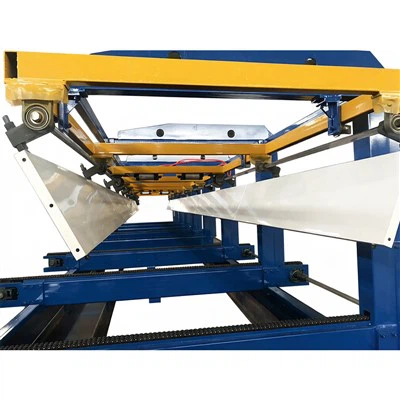
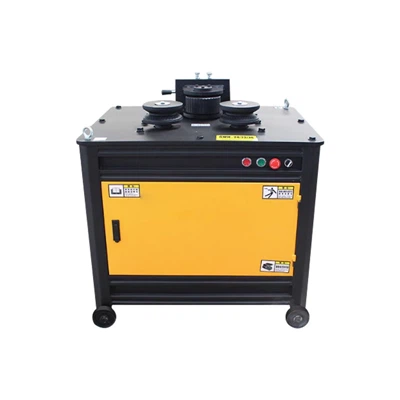
There are various types of pipe bending machines available in the market, each with its own energy requirements. For example, Toothed Bending Machine uses a toothed mechanism to bend pipes, which may require more energy due to the mechanical forces involved. On the other hand, Fritillary Board Bending Machine and Corrugated Sheet Bending Machine have different designs and may consume energy differently based on their specific functions.
The overall design of the machine also plays a role. Machines with advanced technology and efficient components tend to consume less energy. For instance, a machine with a high - efficiency motor and well - designed hydraulic system will use energy more effectively compared to an older, less efficient model.


Pipe Material and Dimensions
The material and dimensions of the pipes being bent have a significant impact on energy consumption. Different materials, such as steel, aluminum, or copper, have different levels of hardness and ductility. Bending harder materials like steel requires more force, which in turn demands more energy from the machine.
The diameter and wall thickness of the pipes also matter. Larger diameter and thicker - walled pipes need more energy to bend because they have greater resistance to deformation. For example, bending a 6 - inch diameter steel pipe with a thick wall will consume more energy than bending a 1 - inch diameter aluminum pipe.
Bending Angle and Radius
The bending angle and radius specified for the pipes affect energy consumption. A larger bending angle or a smaller bending radius requires more force to achieve the desired shape. When the machine has to apply more force, it uses more energy. For instance, bending a pipe at a 90 - degree angle with a small radius will consume more energy compared to a 30 - degree bend with a larger radius.
Operating Speed
The operating speed of the pipe bending machine is another important factor. Running the machine at a higher speed generally requires more energy. However, there is a balance to be struck. Running the machine too slowly may increase the overall processing time, which can also lead to higher energy consumption in the long run. Finding the optimal operating speed for your specific application is crucial for energy efficiency.
Calculating Energy Consumption
To calculate the energy consumption of a pipe bending machine, you need to consider the power rating of the machine and the operating time. The power rating is usually given in kilowatts (kW) and can be found in the machine's technical specifications.
The basic formula for calculating energy consumption is:
Energy (kWh) = Power (kW) × Time (h)
For example, if a pipe bending machine has a power rating of 5 kW and it operates for 3 hours, the energy consumption would be:
Energy = 5 kW × 3 h = 15 kWh
However, in real - world scenarios, the actual energy consumption may vary due to factors such as the load on the machine, start - stop cycles, and inefficiencies in the system. To get a more accurate measurement, you can use an energy meter to monitor the machine's energy usage over a period of time.
Tips to Optimize Energy Consumption
As a supplier, I always recommend our customers to take steps to optimize the energy consumption of their pipe bending machines. Here are some practical tips:
Regular Maintenance
Keeping the machine well - maintained is essential for energy efficiency. Regularly lubricate moving parts, check and replace worn - out components, and ensure that the hydraulic system is in good condition. A well - maintained machine operates more smoothly and uses less energy.
Choose the Right Machine
Select a pipe bending machine that is suitable for your specific requirements. Don't over - size the machine, as a larger machine may consume more energy than necessary. Consider the types of pipes you will be bending, the bending angles and radii, and the production volume when choosing a machine.
Optimize Operating Parameters
Find the optimal operating speed, pressure, and other parameters for your machine. As mentioned earlier, running the machine at the right speed can help reduce energy consumption. Also, adjust the pressure settings according to the pipe material and dimensions to avoid using excessive force.
Use Energy - Saving Features
Many modern pipe bending machines come with energy - saving features such as automatic shut - off when not in use, variable speed drives, and energy - efficient motors. Make sure to take advantage of these features to reduce energy consumption.
Conclusion
Understanding the energy consumption of a pipe bending machine is crucial for businesses looking to reduce costs and improve environmental sustainability. By considering the factors that affect energy consumption, calculating it accurately, and implementing energy - saving measures, you can optimize the energy use of your machine.
If you are in the market for a pipe bending machine or want to learn more about how to reduce energy consumption in your pipe bending operations, we are here to help. Our team of experts can provide you with detailed information about our products and offer customized solutions to meet your specific needs. Contact us today to start a discussion about your pipe bending requirements and how we can assist you in achieving energy - efficient operations.
References
- Machinery's Handbook: A comprehensive reference for mechanical engineering and manufacturing, which provides detailed information on machine design and energy consumption.
- Industry reports on metalworking machinery, which include data on the energy efficiency of different types of pipe bending machines.