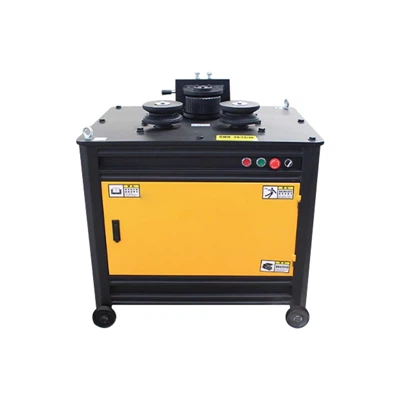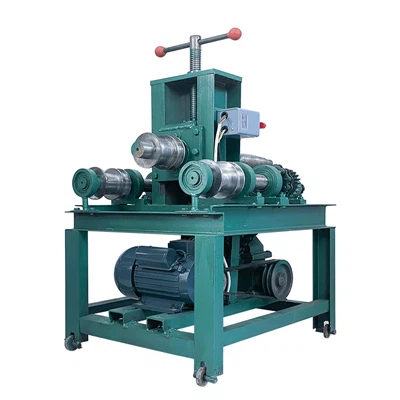

Running a CRF (Computerized Roll Forming) machine requires a careful consideration of various factors, and one of the most critical is the memory requirement. As a CRF machine supplier, I have witnessed firsthand the importance of understanding and meeting these memory needs to ensure the smooth and efficient operation of these sophisticated machines.
Understanding the Basics of CRF Machines
CRF machines are advanced manufacturing tools that use computerized controls to shape metal sheets into various profiles. These machines are widely used in industries such as construction, automotive, and manufacturing, where precision and efficiency are paramount. The computerized system in a CRF machine is responsible for controlling the movement of the rollers, the speed of the production line, and the accuracy of the formed profiles.
The Role of Memory in CRF Machines
Memory plays a crucial role in the operation of a CRF machine. It stores the programs and data that are necessary for the machine to function correctly. These programs contain instructions for the machine to follow, such as the shape and dimensions of the profiles to be formed, the speed of the rollers, and the sequence of operations. Without sufficient memory, the machine may not be able to store all the necessary programs and data, leading to errors and inefficiencies.
Types of Memory in CRF Machines
There are two main types of memory used in CRF machines: Random Access Memory (RAM) and Read-Only Memory (ROM).
- Random Access Memory (RAM): This is the primary memory used by the CRF machine to store the programs and data that are currently being used. RAM is volatile, which means that its contents are lost when the machine is turned off. The amount of RAM required by a CRF machine depends on several factors, including the complexity of the programs, the number of profiles to be stored, and the size of the data files. For example, a machine that is used to produce complex profiles with multiple bends and curves will require more RAM than a machine that produces simple profiles.
- Read-Only Memory (ROM): This is a non-volatile memory that stores the permanent programs and data that are essential for the machine to operate. ROM is used to store the operating system, the firmware, and other critical programs that are required for the machine to start up and function correctly. The amount of ROM required by a CRF machine is typically fixed and does not change during the operation of the machine.
Factors Affecting Memory Requirement
Several factors can affect the memory requirement of a CRF machine. These include:
- Complexity of the Profiles: As mentioned earlier, the more complex the profiles to be formed, the more memory is required to store the programs and data. Complex profiles may require more detailed instructions and calculations, which take up more memory space.
- Number of Profiles: The number of profiles that the machine needs to store also affects the memory requirement. A machine that is used to produce a large number of different profiles will require more memory than a machine that produces only a few profiles.
- Data Storage Requirements: In addition to storing the programs, the CRF machine also needs to store the data related to the production process, such as the production history, the quality control data, and the maintenance records. The amount of data that needs to be stored depends on the size and complexity of the production process.
- Software Requirements: The software used to control the CRF machine also plays a role in the memory requirement. Some software programs are more memory-intensive than others, and using a more advanced software may require more memory.
Determining the Memory Requirement
To determine the memory requirement for a CRF machine, it is important to consider the factors mentioned above. A good starting point is to consult the manufacturer's specifications for the machine. The manufacturer will typically provide information on the recommended memory requirements based on the machine's capabilities and the types of profiles it can produce.
In addition to the manufacturer's specifications, it is also important to consider the future growth and expansion of the production process. If the company plans to increase the production volume or produce more complex profiles in the future, it may be necessary to invest in a machine with a higher memory capacity.


Meeting the Memory Requirement
Once the memory requirement has been determined, it is important to ensure that the CRF machine has sufficient memory to meet the needs of the production process. This can be achieved by:
- Upgrading the Memory: If the machine does not have enough memory, it may be possible to upgrade the RAM or ROM to increase the memory capacity. This can be done by adding more memory modules or replacing the existing memory with higher-capacity modules.
- Optimizing the Software: The software used to control the CRF machine can also be optimized to reduce the memory usage. This can be done by removing unnecessary programs and data, optimizing the code, and using more efficient algorithms.
- Using External Storage: If the internal memory of the machine is not sufficient, it may be possible to use external storage devices, such as hard drives or USB flash drives, to store the programs and data. This can help to free up the internal memory and improve the performance of the machine.
Conclusion
In conclusion, the memory requirement for running a CRF machine is an important factor that needs to be carefully considered. By understanding the role of memory in the operation of the machine, the types of memory used, and the factors that affect the memory requirement, it is possible to ensure that the machine has sufficient memory to meet the needs of the production process. As a CRF machine supplier, we are committed to providing our customers with the best possible solutions to meet their memory requirements.
If you are interested in learning more about our CRF machines and their memory requirements, or if you have any questions or concerns, please feel free to [contact us for a purchase negotiation]. We would be happy to discuss your specific needs and provide you with a customized solution.
References
- "Roll Forming Technology Handbook" by John A. Schey
- "Computerized Control Systems for Manufacturing" by Richard C. Dorf
- "Advanced Manufacturing Technology" by David A. Dornfeld
In addition, you may be interested in some of our other products, such as the Fritillary Board Bending Machine, Feed Bin Forming Machine, and Hydraulic Sheet Metal Guillotine. These products are designed to meet the diverse needs of our customers and provide high-quality and efficient solutions for various manufacturing processes.