
Maintaining a CRF (Continuous Roll Forming) machine is crucial for ensuring its long - term performance, efficiency, and reliability. As a CRF machine supplier, I understand the significance of proper maintenance in maximizing the lifespan and productivity of these machines. In this blog, I will share some essential tips on how to maintain a CRF machine effectively.
Regular Cleaning
One of the most fundamental steps in maintaining a CRF machine is regular cleaning. Over time, dust, debris, and metal shavings can accumulate on the machine's components, which can lead to increased wear and tear, reduced performance, and even mechanical failures.
To clean the machine, start by turning off the power and allowing it to cool down. Use a soft brush or compressed air to remove loose dirt and debris from the surface of the machine, including the rollers, guides, and cutting tools. For more stubborn dirt, you can use a mild cleaning solution and a clean cloth. Be careful not to get any liquid into the electrical components of the machine.
Lubrication
Proper lubrication is essential for the smooth operation of a CRF machine. The moving parts of the machine, such as the rollers, bearings, and gears, need to be lubricated regularly to reduce friction and prevent premature wear.


Refer to the machine's manual to determine the appropriate type of lubricant and the recommended lubrication intervals. Generally, you should lubricate the machine at least once a week or after a certain number of operating hours. Apply the lubricant to the designated points using a lubrication gun or a brush, and make sure to distribute it evenly.
Inspection of Components
Regular inspection of the machine's components is another important aspect of maintenance. Check the rollers for signs of wear, such as uneven surfaces or excessive clearance. Worn rollers can affect the quality of the formed products and may need to be replaced.
Inspect the cutting tools for sharpness and damage. Dull or damaged cutting tools can result in poor cutting performance and may cause the machine to work harder, leading to increased energy consumption and wear on other components. Replace the cutting tools as needed.
Also, check the electrical connections, belts, and chains for any signs of looseness, damage, or fraying. Tighten loose connections and replace worn - out belts and chains to prevent unexpected breakdowns.
Alignment and Calibration
Proper alignment and calibration of the CRF machine are crucial for producing high - quality products. Misaligned rollers or cutting tools can cause the formed products to have irregular shapes or dimensions.
Periodically check the alignment of the rollers using a precision measuring tool. If the rollers are misaligned, adjust them according to the machine's manual. Similarly, calibrate the cutting tools to ensure accurate cutting lengths and angles.
Operator Training
Well - trained operators play a vital role in the maintenance of a CRF machine. Operators should be familiar with the machine's operation, safety procedures, and basic maintenance tasks. Provide comprehensive training to the operators, including how to start and stop the machine correctly, how to load and unload materials, and how to perform routine maintenance checks.
Encourage operators to report any abnormal noises, vibrations, or performance issues immediately. Early detection of problems can prevent them from escalating into more serious and costly breakdowns.
Preventive Maintenance Schedule
Develop a preventive maintenance schedule for the CRF machine based on the manufacturer's recommendations and the machine's usage patterns. The schedule should include tasks such as cleaning, lubrication, component inspection, alignment, and calibration at regular intervals.
Keep a record of all maintenance activities, including the date, type of maintenance, and any parts that were replaced. This record can help you track the machine's maintenance history and identify any recurring issues.
Use of High - Quality Parts
When replacing parts on the CRF machine, it is important to use high - quality parts that are compatible with the machine. Inferior parts may not fit properly or may not have the same level of performance and durability as the original parts. This can lead to premature failures and increased maintenance costs.
As a CRF machine supplier, we offer a wide range of high - quality replacement parts for our machines. You can visit our website to find the parts you need for your specific CRF machine.
Environmental Considerations
The environment in which the CRF machine operates can also affect its performance and lifespan. Keep the machine in a clean, dry, and well - ventilated area. Avoid exposing the machine to extreme temperatures, humidity, or corrosive substances.
If the machine is used in a dusty or dirty environment, consider installing a dust collection system to reduce the amount of dust and debris that accumulates on the machine.
Troubleshooting
Even with proper maintenance, problems may still occur with the CRF machine. It is important to have a basic understanding of troubleshooting techniques to quickly identify and resolve issues.
If the machine is not operating correctly, start by checking the power supply, electrical connections, and control settings. Look for any error messages on the machine's control panel and refer to the manual for troubleshooting instructions.
If you are unable to resolve the problem on your own, contact our technical support team. We have a team of experienced technicians who can provide remote assistance or on - site service if necessary.
Related Machines
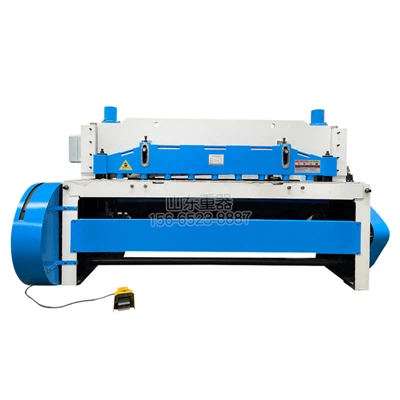
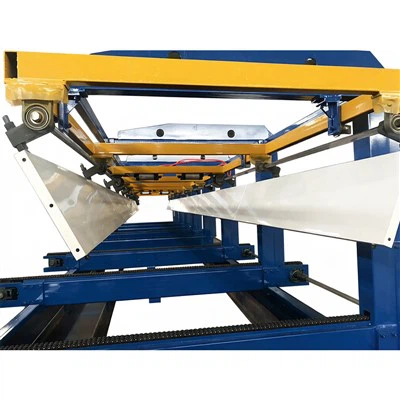
In addition to the general CRF machines, we also supply some related machines such as the Continuous Shearing Machine, Steel Silo Forming Machine, and Steel Silo Panel Production Line. The maintenance principles for these machines are similar to those of the general CRF machines, but there may be some specific requirements. Please refer to the respective manuals for detailed maintenance information.
Conclusion
Maintaining a CRF machine is a continuous process that requires attention to detail and regular upkeep. By following the tips outlined in this blog, you can ensure that your CRF machine operates at its best, produces high - quality products, and has a long lifespan.
If you are interested in purchasing a CRF machine or need more information about maintenance, please feel free to contact us. We are always ready to assist you with your needs and provide you with the best solutions for your business.
References
- Manufacturer's manuals for CRF machines
- Industry best practices for roll forming machine maintenance