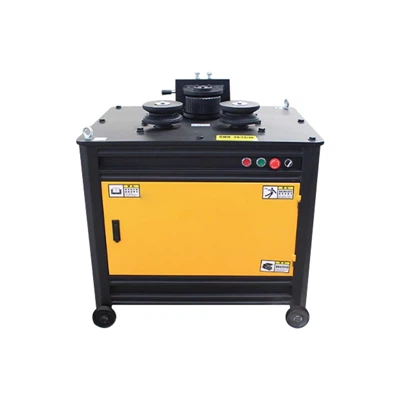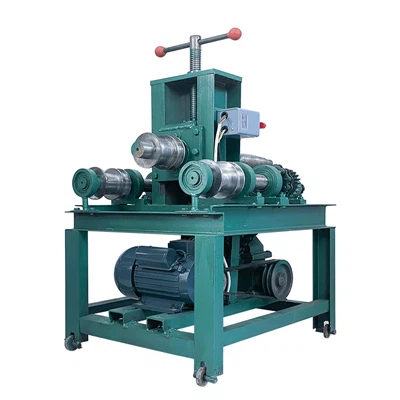

When it comes to the world of metalworking, continuous shearing machines play a pivotal role in cutting various types of metal sheets and plates with precision and efficiency. As a leading supplier of continuous shearing machines, I often encounter inquiries about the differences between hydraulic continuous shearing machines and mechanical continuous shearing machines. In this blog post, I will delve into the key distinctions between these two types of machines, exploring their working principles, advantages, and applications.
Working Principles
Let's start by understanding the fundamental working principles of hydraulic and mechanical continuous shearing machines.
Hydraulic Continuous Shearing Machine
A hydraulic continuous shearing machine operates using hydraulic power. The machine is equipped with a hydraulic system that consists of a hydraulic pump, cylinders, and valves. When the machine is activated, the hydraulic pump generates high-pressure hydraulic fluid, which is then directed to the cylinders. The cylinders convert the hydraulic energy into mechanical force, driving the cutting blade to perform the shearing operation. The hydraulic system allows for precise control of the cutting force and speed, making it suitable for a wide range of cutting applications.
Mechanical Continuous Shearing Machine
In contrast, a mechanical continuous shearing machine relies on mechanical power. It typically uses a flywheel and a crankshaft mechanism to convert rotational motion into linear motion. When the machine is started, the flywheel stores energy, which is then transferred to the crankshaft. The crankshaft converts the rotational motion into linear motion, driving the cutting blade to cut through the metal. Mechanical continuous shearing machines are known for their simplicity and reliability, but they may have limitations in terms of cutting force and speed compared to hydraulic machines.


Advantages
Both hydraulic and mechanical continuous shearing machines have their own unique advantages, which make them suitable for different applications.
Hydraulic Continuous Shearing Machine
- Precision and Control: Hydraulic continuous shearing machines offer precise control over the cutting force and speed. This allows for accurate and consistent cutting, even for thin and delicate metal sheets. The hydraulic system can be adjusted to meet the specific requirements of different cutting tasks, ensuring high-quality results.
- High Cutting Force: Hydraulic machines are capable of generating high cutting forces, making them suitable for cutting thick and hard metal materials. The hydraulic system can provide a large amount of force, allowing the machine to cut through materials that may be difficult to cut with a mechanical machine.
- Versatility: Hydraulic continuous shearing machines can be used for a wide range of cutting applications, including straight cutting, angle cutting, and notching. They can handle different types of metal materials, such as steel, aluminum, and copper, making them a versatile choice for metalworking shops.
- Safety: Hydraulic machines are generally safer to operate than mechanical machines. The hydraulic system provides a smooth and controlled cutting motion, reducing the risk of accidents and injuries. Additionally, hydraulic machines are often equipped with safety features, such as overload protection and emergency stop buttons, to ensure the safety of the operator.
Mechanical Continuous Shearing Machine
- Simplicity and Reliability: Mechanical continuous shearing machines are known for their simplicity and reliability. They have fewer components compared to hydraulic machines, which means there are fewer parts that can break down or malfunction. This makes them easier to maintain and repair, reducing downtime and maintenance costs.
- Cost-Effective: Mechanical machines are generally more cost-effective than hydraulic machines. They have a lower initial cost and require less energy to operate, making them a more affordable option for small and medium-sized metalworking shops.
- High-Speed Cutting: Mechanical continuous shearing machines can achieve high cutting speeds, making them suitable for high-volume production. The flywheel and crankshaft mechanism allow for rapid cutting, increasing productivity and efficiency.
Applications
The choice between a hydraulic continuous shearing machine and a mechanical continuous shearing machine depends on the specific requirements of the application.
Hydraulic Continuous Shearing Machine
- Thick Metal Cutting: Hydraulic machines are ideal for cutting thick and hard metal materials, such as steel plates and bars. The high cutting force of hydraulic machines allows them to cut through these materials with ease, making them suitable for heavy-duty metalworking applications.
- Precision Cutting: Hydraulic machines are also well-suited for precision cutting tasks, such as cutting thin metal sheets and plates. The precise control of the cutting force and speed ensures accurate and consistent cutting, making them a popular choice for industries that require high-quality cutting, such as the automotive and aerospace industries.
- Custom Cutting: Hydraulic continuous shearing machines can be customized to meet the specific requirements of different cutting applications. They can be equipped with special cutting blades and fixtures to perform complex cutting tasks, such as angle cutting and notching.
Mechanical Continuous Shearing Machine
- High-Volume Production: Mechanical machines are often used in high-volume production environments, where speed and efficiency are crucial. The high cutting speed of mechanical machines allows for rapid cutting, increasing productivity and reducing production time.
- Simple Cutting Tasks: Mechanical continuous shearing machines are suitable for simple cutting tasks, such as straight cutting and slitting. They are easy to operate and require minimal training, making them a popular choice for small and medium-sized metalworking shops.
- Cost-Effective Solution: Mechanical machines are a cost-effective solution for metalworking shops that have limited budgets. They have a lower initial cost and require less energy to operate, making them a more affordable option for businesses that are looking to save money.
Conclusion
In conclusion, both hydraulic continuous shearing machines and mechanical continuous shearing machines have their own unique advantages and applications. Hydraulic machines offer precision, control, and high cutting force, making them suitable for thick metal cutting and precision cutting tasks. Mechanical machines, on the other hand, are simple, reliable, and cost-effective, making them a popular choice for high-volume production and simple cutting tasks.
As a supplier of continuous shearing machines, I understand the importance of choosing the right machine for your specific needs. Whether you are looking for a hydraulic continuous shearing machine or a mechanical continuous shearing machine, I can provide you with the expert advice and support you need to make an informed decision. If you are interested in learning more about our continuous shearing machines, please visit our website at Hydraulic Sheet Metal Guillotine, Large Metal Shearing Machine, or Shearing and Bending Machine. We look forward to working with you to meet your metalworking needs.
References
- "Metalworking Machinery Handbook," Industrial Press Inc., 2020.
- "Hydraulic Systems in Manufacturing," McGraw-Hill Education, 2019.
- "Mechanical Engineering Design," John Wiley & Sons, 2018.