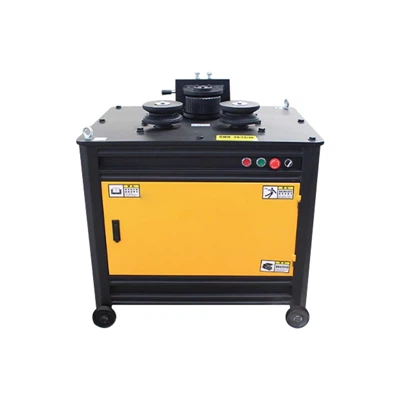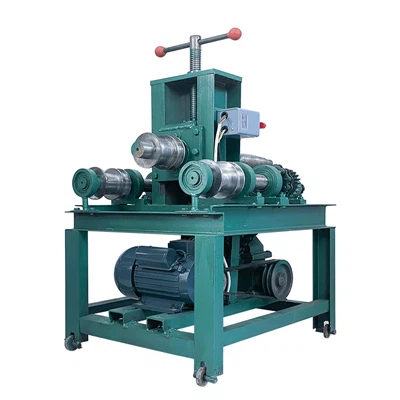

In the agricultural and industrial sectors, grain silos play a pivotal role in storing and preserving grains effectively. The process of creating these silos is significantly influenced by the grain silo forming machines used. As a supplier of Grain Silo Forming Machine, I've had the privilege of witnessing firsthand the nuances and distinctions between different models of these machines. This blog aims to delve into these differences, offering you a comprehensive understanding that will help in making informed decisions when choosing the right machine for your silo - making needs.
1. Structural Design
One of the most noticeable differences between various models of grain silo forming machines lies in their structural design. Some machines are designed with a compact and modular structure. These models are ideal for small - scale operations or for facilities with limited space. Their modular design allows for easy assembly and disassembly, enabling quick relocation if required. For instance, in small - scale farms where the available work area is narrow, a compact machine can be set up in a corner without causing significant disruptions.
On the other hand, large - scale industrial models often feature a more robust and integrated structure. These machines are engineered to handle high - volume production for large commercial grain storage projects. They are usually built with heavy - duty frames and components that can withstand continuous and intense operation. The integration of different parts ensures smooth and efficient workflow, reducing the chances of downtime due to mechanical failures.
2. Production Capacity
The production capacity is another crucial factor that differentiates between models. Some grain silo forming machines are designed for low - volume production. These machines are suitable for local cooperatives or small businesses that only need to produce a limited number of silos. They typically have a slower forming speed, perhaps able to produce one or two sections of a silo per hour, depending on the complexity of the design.
In contrast, high - capacity models are built for mass production. These machines can churn out multiple silo sections in a relatively short period. They are equipped with advanced automation systems and high - power motors that can drive the forming process at a rapid pace. For large - scale grain storage companies that need to build numerous silos in a short time frame, a high - capacity machine is the obvious choice.
3. Material Compatibility
Different models of grain silo forming machines also vary in their ability to work with different materials. Some machines are specifically designed to work with a single type of material, such as galvanized steel. Galvanized steel is a popular choice for grain silos due to its corrosion - resistance and durability. Machines that are optimized for galvanized steel are calibrated to handle the specific thickness and properties of this material, ensuring precise forming and a high - quality finish.


Other more versatile machines can work with a variety of materials, including stainless steel and aluminum. These machines are equipped with adjustable settings that can accommodate different material thicknesses and characteristics. For example, if a project requires a silo with enhanced corrosion - resistance in a highly humid environment, stainless steel can be used, and a versatile forming machine can handle the forming process without a hitch.
4. Automation Level
Automation is a significant differentiator in modern grain silo forming machines. Basic models may have a relatively low level of automation, relying more on manual operation. Operators are required to perform tasks such as feeding the material, adjusting the forming parameters, and removing the formed sections. While these machines are more affordable and may be suitable for operators with limited technical skills, they are also more labor - intensive and prone to human error.
Advanced models, however, come with a high degree of automation. They are equipped with programmable logic controllers (PLCs) and sensors that can automatically adjust the forming process based on pre - set parameters. For example, the machine can detect the thickness of the material and adjust the pressure and speed of the forming rollers accordingly. This not only improves the accuracy and consistency of the formed silos but also reduces the need for extensive manual intervention.
5. Customization Capabilities
The ability to customize the shape and size of the grain silos is an important consideration for many customers. Some grain silo forming machines offer limited customization options. They are designed to produce standard - sized silos with a fixed set of shapes. These machines are suitable for projects where the requirements are relatively uniform and do not deviate from the standard designs.
In contrast, more advanced models provide a high level of customization. They can be programmed to produce silos of different diameters, heights, and wall profiles. This is particularly useful for projects with specific architectural or functional requirements. For example, in a project where the silos need to fit into a unique space or where different storage capacities are required, a machine with high customization capabilities can meet these specific needs.
6. Cost and Maintenance
Cost is always a significant factor when choosing a grain silo forming machine. Basic models with lower production capacities and fewer features are generally more affordable. They may be a suitable choice for small businesses or those just starting out in the silo - making industry. However, it's important to consider the long - term costs, including maintenance and operational costs.
Advanced models, while more expensive upfront, may offer better value in the long run. They often have lower maintenance requirements due to their high - quality components and advanced automation systems. Additionally, their higher production capacity can lead to cost savings in terms of increased output and reduced labor costs.
Maintenance requirements also vary between models. Some machines have simpler designs, making them easier to maintain. Basic maintenance tasks such as cleaning, lubrication, and minor adjustments can be performed by the operators themselves. In contrast, advanced models may require specialized technicians for maintenance and repair.
As a Grain Silo Forming Machine supplier, I understand that choosing the right machine is a critical decision that can impact the success of your grain silo production. Whether you need a Steel Silo Forming Machine for large - scale industrial projects or a Feed Bin Forming Machine for small - scale operations, I'm here to help you evaluate your needs and find the most suitable machine.
If you're interested in learning more about our products or would like to discuss your specific requirements for a grain silo forming machine, I encourage you to reach out. We can provide detailed information, offer technical support, and even arrange a demonstration if needed. Make the right choice for your business and contact us today to start the procurement and negotiation process.
References
- Smith, J. (2022). Technology in Grain Silo Manufacturing. Journal of Agricultural Engineering.
- Brown, A. (2021). Advances in Silo Forming Machinery. Industrial Manufacturing Review.