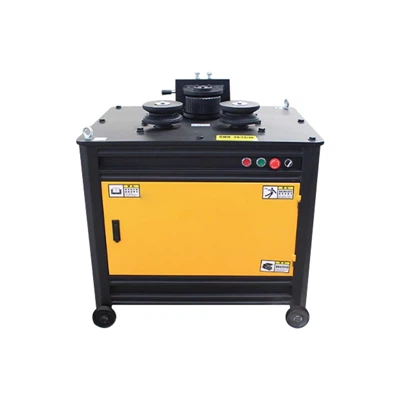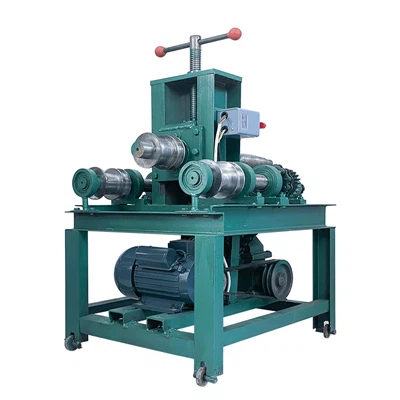

In the manufacturing industry, the corrugated sheet bending machine is a crucial piece of equipment, especially for industries that deal with roofing, siding, and other applications requiring shaped corrugated sheets. Among its various components, the hydraulic system plays an indispensable role. As a supplier of Corrugated Sheet Bending Machine, I have witnessed firsthand how the hydraulic system enhances the performance and functionality of these machines.
1. Power and Force Generation
One of the primary roles of the hydraulic system in a corrugated sheet bending machine is to generate the necessary power and force. Bending corrugated sheets often requires a significant amount of force, especially when dealing with thick or high - strength materials. The hydraulic system can convert mechanical energy into hydraulic energy, which is then used to drive the bending mechanism.
Hydraulic pumps are at the heart of this process. They draw in hydraulic fluid from a reservoir and pressurize it. The pressurized fluid is then directed to hydraulic cylinders. These cylinders, in turn, convert the hydraulic energy back into mechanical force. This force is applied to the bending dies, allowing them to shape the corrugated sheets accurately. For example, in a large - scale corrugated sheet bending operation, the hydraulic system can generate forces of several tons, enabling the machine to bend sheets with precision.
2. Precise Control
Precision is crucial in corrugated sheet bending. The hydraulic system provides a high level of control over the bending process. By adjusting the pressure and flow rate of the hydraulic fluid, operators can precisely control the amount of force applied to the sheet. This is essential for achieving the desired bend angle and radius.
Modern hydraulic systems are equipped with advanced control valves. These valves can regulate the flow of hydraulic fluid to different parts of the machine. For instance, proportional valves can adjust the flow rate based on the input from sensors. This allows for real - time adjustments during the bending process, ensuring that each bend is consistent and accurate. In addition, the hydraulic system can be programmed to perform complex bending sequences, making it suitable for a wide range of applications.
3. Speed and Efficiency
The hydraulic system also contributes to the speed and efficiency of the corrugated sheet bending machine. Compared to other power transmission systems, hydraulic systems can transfer power more quickly and smoothly. The rapid response of hydraulic cylinders allows for fast bending cycles, reducing the overall production time.
Moreover, the hydraulic system can operate continuously without significant wear and tear. The hydraulic fluid acts as a lubricant, reducing friction between moving parts. This not only extends the lifespan of the machine but also ensures consistent performance over time. For example, in a high - volume production environment, a well - designed hydraulic system can enable the corrugated sheet bending machine to process a large number of sheets in a short period.
4. Safety
Safety is a top priority in any manufacturing operation. The hydraulic system in a corrugated sheet bending machine provides several safety features. First, hydraulic systems are designed with pressure relief valves. These valves prevent the system from exceeding a safe pressure level, protecting the machine and its operators from potential damage.
In addition, the hydraulic system can be integrated with safety sensors. These sensors can detect abnormal conditions, such as excessive force or improper positioning of the sheet. When an abnormal condition is detected, the hydraulic system can automatically stop the bending process, preventing accidents. For example, if a sheet is not properly aligned, the sensors can trigger the system to halt, avoiding potential damage to the machine and the sheet.
5. Adaptability
The hydraulic system in a corrugated sheet bending machine offers a high degree of adaptability. It can be easily adjusted to accommodate different types of corrugated sheets. By changing the pressure and flow settings, the machine can bend sheets of various thicknesses, materials, and corrugation profiles.
This adaptability makes the corrugated sheet bending machine suitable for a wide range of industries. For example, in the construction industry, the machine can be used to bend sheets for roofing and siding. In the automotive industry, it can be used to manufacture components with specific corrugated shapes. The ability to adapt to different requirements makes the hydraulic - powered corrugated sheet bending machine a versatile tool in the manufacturing sector.
6. Comparison with Other Systems
When compared to other power transmission systems, such as mechanical or pneumatic systems, the hydraulic system has several advantages. Mechanical systems often require complex gear trains and linkages, which can be prone to wear and require frequent maintenance. Pneumatic systems, on the other hand, may not be able to generate the same level of force as hydraulic systems, especially when dealing with thick or high - strength materials.
The hydraulic system offers a more compact and efficient solution. It can generate high forces in a relatively small space, making it suitable for machines with limited footprint. In addition, the hydraulic system provides better control and precision, which is essential for high - quality corrugated sheet bending.


7. Maintenance and Troubleshooting
Proper maintenance of the hydraulic system is crucial for the long - term performance of the corrugated sheet bending machine. Regularly checking the hydraulic fluid level, filter condition, and system pressure is essential. The hydraulic fluid should be changed at regular intervals to prevent contamination and ensure smooth operation.
In case of a problem, troubleshooting the hydraulic system requires a systematic approach. Common issues include leaks, low pressure, and abnormal noise. By following a set of diagnostic procedures, operators can identify and resolve these issues quickly. For example, if there is a leak, the source of the leak can be traced by checking the hoses, fittings, and seals.
8. Future Developments
The future of the hydraulic system in corrugated sheet bending machines looks promising. With the advancement of technology, we can expect to see more intelligent and efficient hydraulic systems. For example, the integration of sensors and control systems will enable real - time monitoring and adjustment of the bending process. This will further improve the precision and quality of the bent sheets.
In addition, the development of new hydraulic fluids and materials will enhance the performance and durability of the hydraulic system. These advancements will make the corrugated sheet bending machine more reliable and cost - effective.
Conclusion
In conclusion, the hydraulic system plays a vital role in a corrugated sheet bending machine. It provides the power, control, speed, safety, and adaptability needed for efficient and high - quality sheet bending. As a supplier of Corrugated Sheet Bending Machine, we understand the importance of a well - designed hydraulic system. If you are in the market for a corrugated sheet bending machine or have any questions about our products, please feel free to contact us for further discussion and potential procurement. We also offer related products such as Smooth Rolling Machine and Corrugated Tile Bending Machine to meet your diverse needs.
References
- Smith, J. (2018). Hydraulic Systems in Industrial Machinery. New York: Industrial Press.
- Johnson, R. (2019). Corrugated Sheet Manufacturing: Technology and Applications. London: Manufacturing Publishers.
- Brown, A. (2020). Advances in Hydraulic Control Systems. Tokyo: Engineering Books.